
As China seeks to supplant the United States as a leader of a multipolar global order, Chinese leaders are hedging their bets that disinformation campaigns through the 2024 presidential election can further divide Americans. Read more...
As China seeks to supplant the United States as a leader of a multipolar global order, Chinese leaders are hedging their bets that disinformation campaigns through the 2024 presidential election can further divide Americans. Read more...
American Security Project and over 50 signatories sent a Call-to-Action letter to the Department of Defense asking it to review its obesity identification and treatment guidelines and modify policies that prevent military service members from accessing vital medical care. Read more...
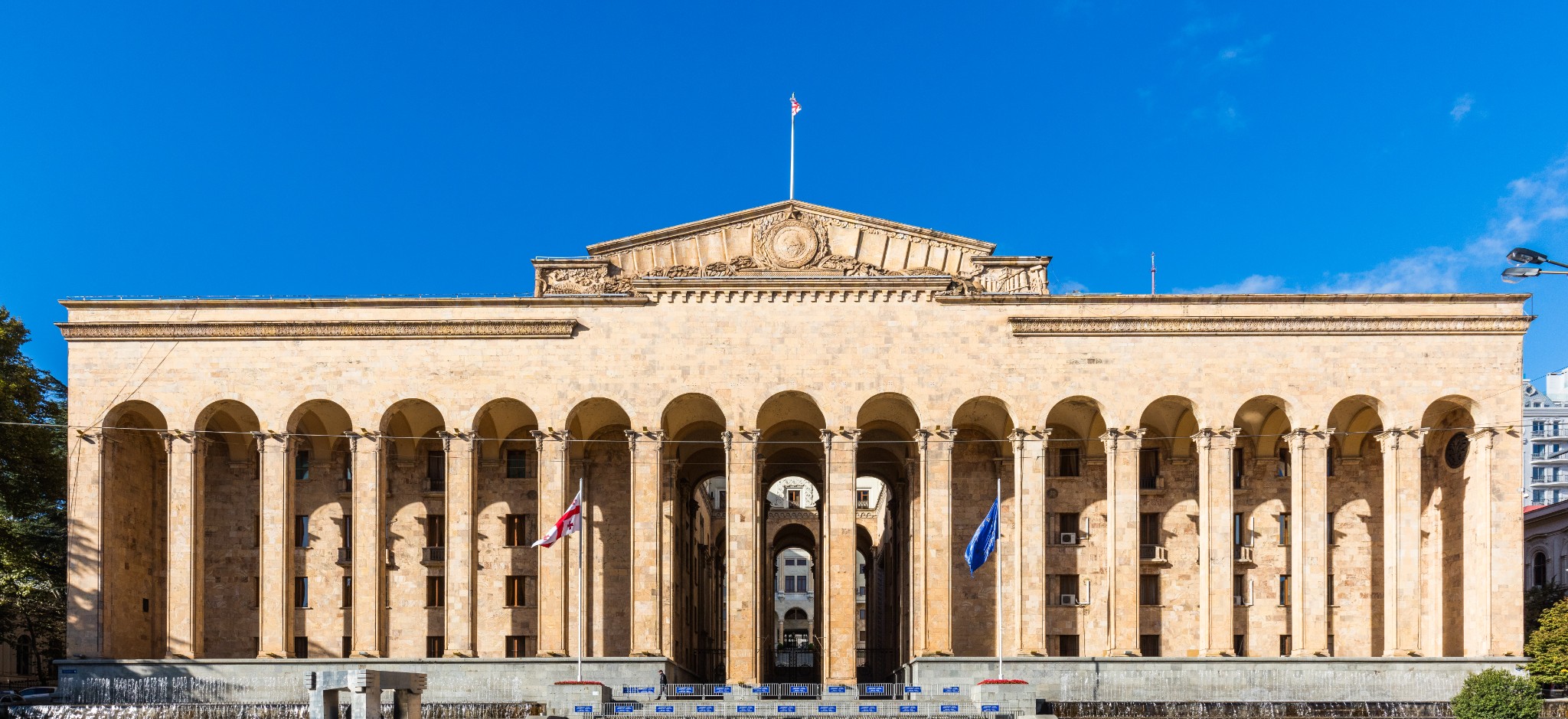
Last Wednesday, the Parliament of Georgia heard a draft of a new 'foreign agent' bill and was met with significant protest as upwards of 10,000 people stood in front of their Capitol building to rally against its passage. Read more...

Through militia violence and mass terrorist attacks, ISIS-K seeks to upend regional order in hopes of fulfilling its objective of establishing a caliphate. As the Moscow attack demonstrates, the threat ISIS-K poses to the region remains even as its membership decreases. Read more...
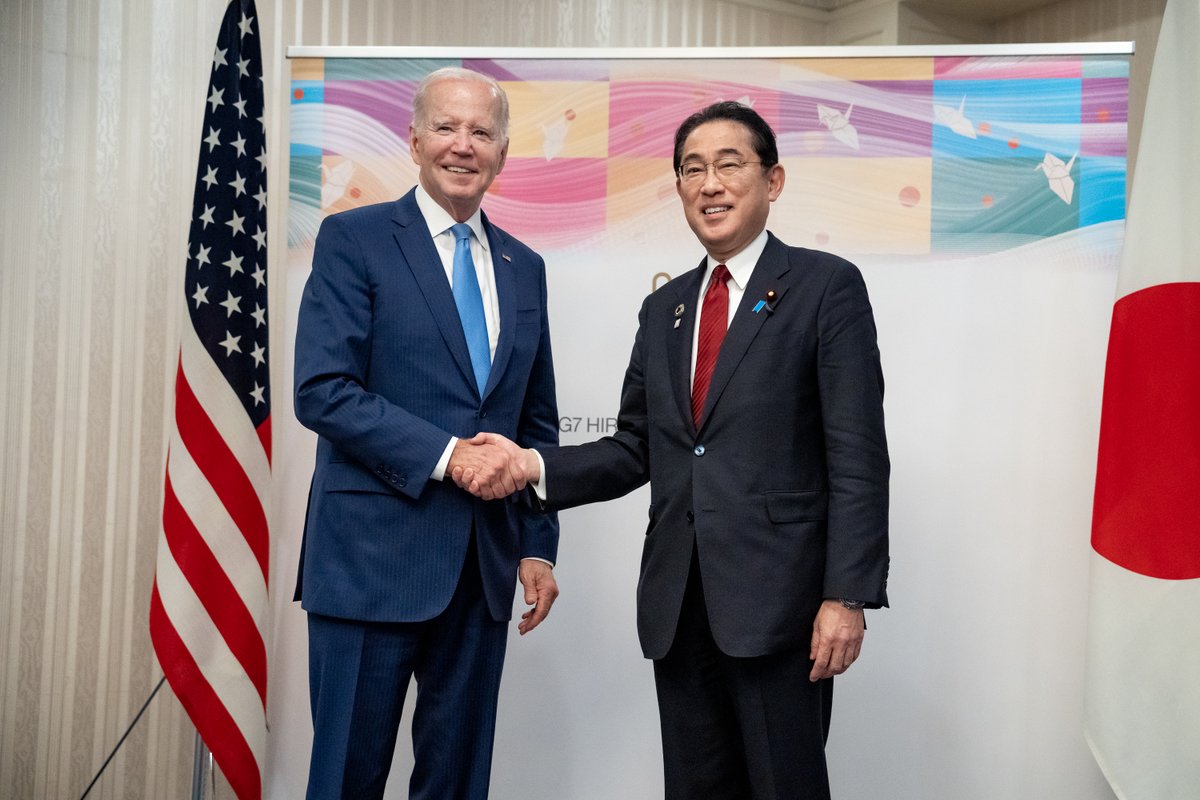
Japanese Prime Minister Fumio Kishida is set to visit the U.S. next week as the two countries seek to address regional security threats.Read more...
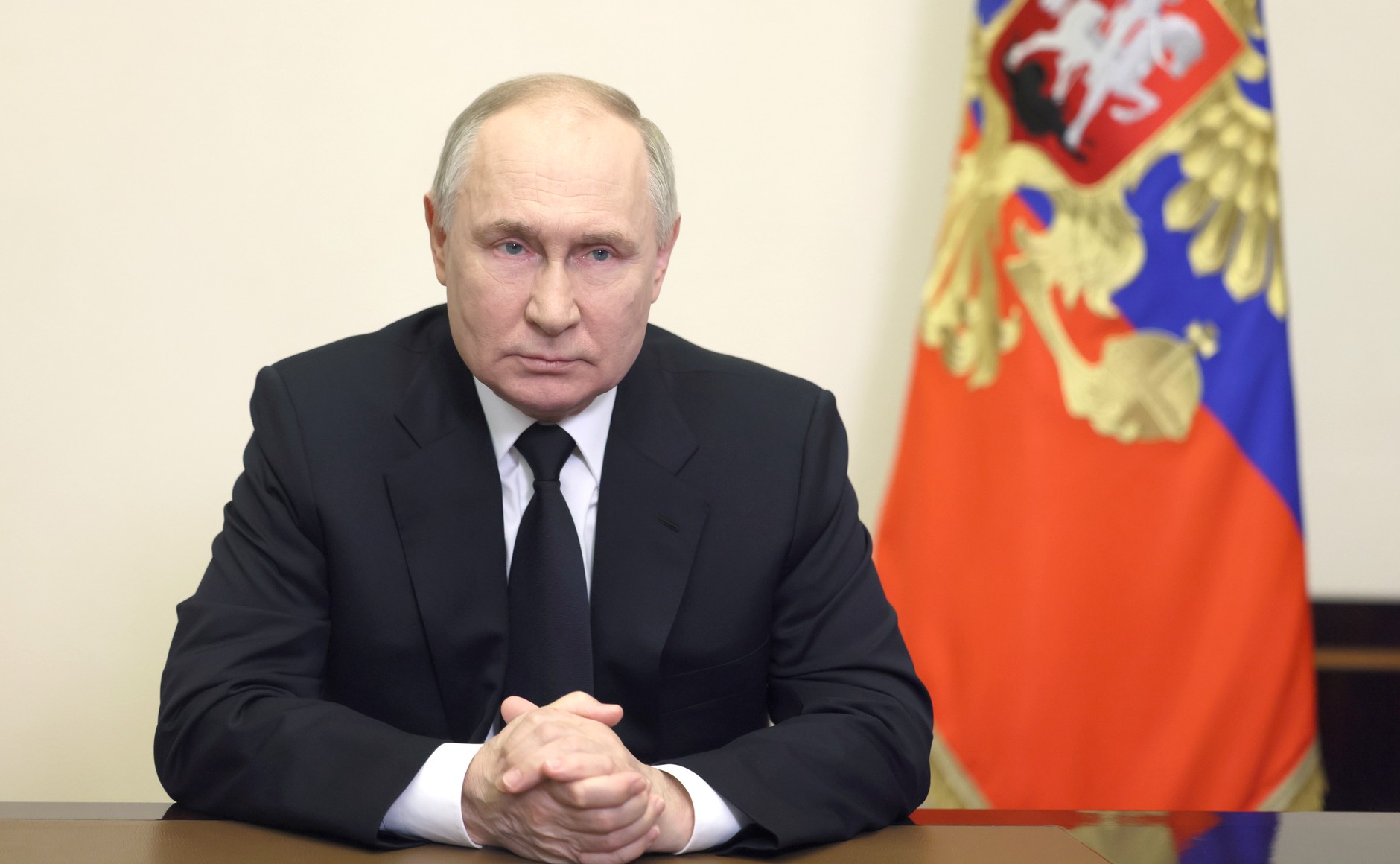
This month Putin engaged the Russian people in an "election" meant to distract from Ukraine and portray his universal support, whether it existed or not. Although the official results gave Putin a 87% win over his chosen opponents, many observers question the outcome as they witnessed election fraud and new tactics of election engineering. Read more...

As a new member state of NATO, Sweden will have to address Russian expansionism and NATO collective burden sharing. Although these challenges threaten to undermine the transatlantic alliance’s stability, they also present opportunities for Sweden to further cement itself as a leader in transatlantic security.Read more...
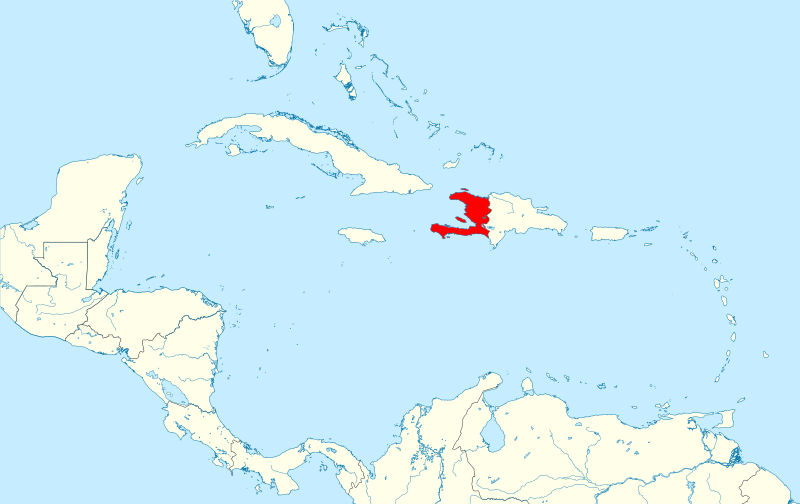
This month, Haiti erupted into unseen levels of violence as gangs exert near total control of the capital resulting in the resignation of the acting President Ariel Henry. With unprecedented violence gripping Haiti, it is time to examine the U.S. illicit export economy and its impact on the 5.5 million Haitians in need of humanitarian assistance. Read more...
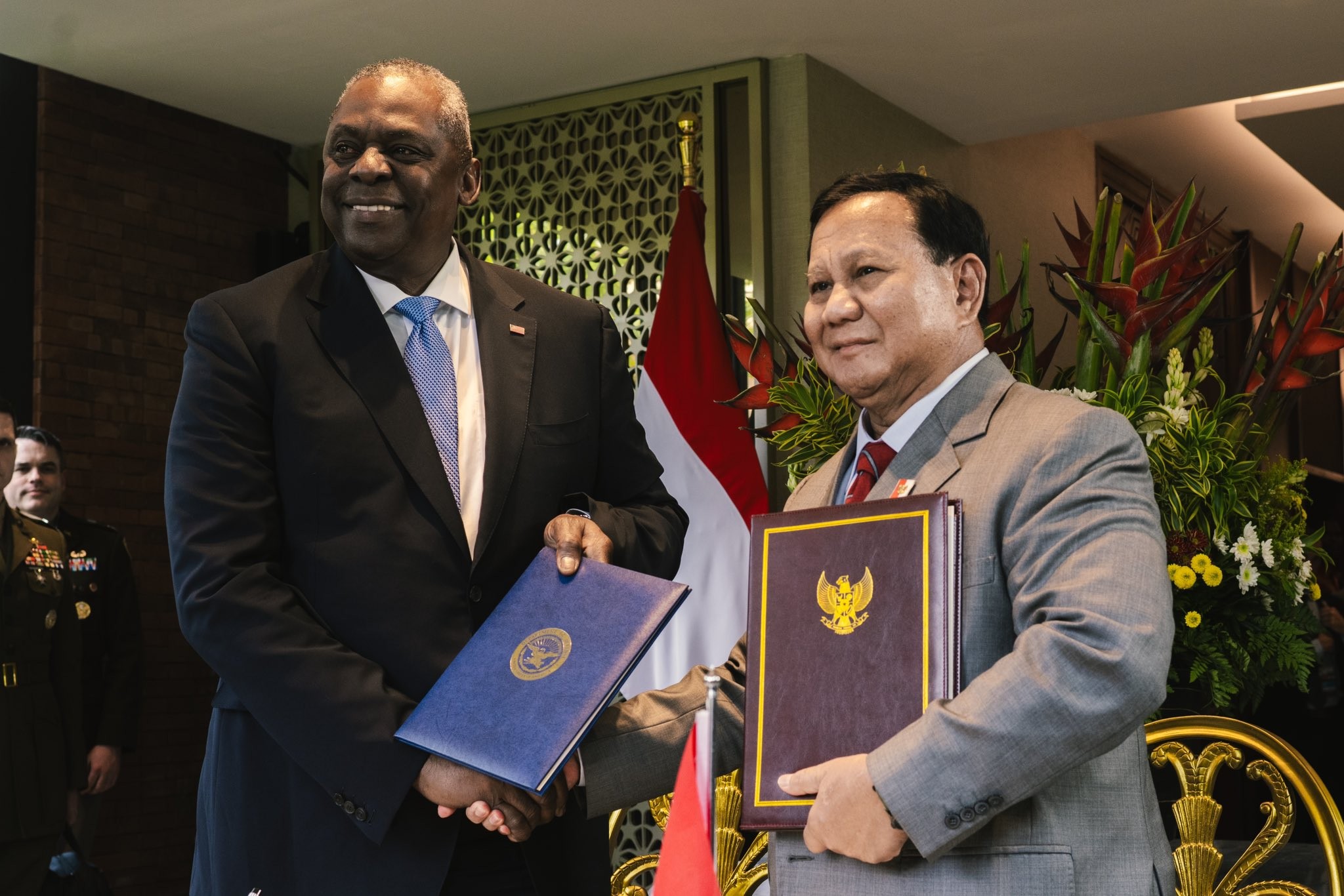
The United States is presented with an opportunity to draw neutral countries into its orbit. The Republic of Indonesia is one of these countries, and it just held a major presidential election. The Indonesian presidential election has implications for U.S.-China competition. Read more...

Tune in! Jessica Olcott Yllemo, ASP's Director, Climate Security Programs, will be presenting, "Global Climate and Energy Policy Trends- 2024 and Beyond" at the Naval Postgraduate School on Tuesday, April 16 from 1200-1300 PT.Read more...