With rumors swirling that the president might order a nuclear strike against a suspected nuclear program site in Iran, ASP CEO Matthew Wallin spoke to the Daily Caller to answer questions about the consequences of such a strike.Read more...

With rumors swirling that the president might order a nuclear strike against a suspected nuclear program site in Iran, ASP CEO Matthew Wallin spoke to the Daily Caller to answer questions about the consequences of such a strike.Read more...

Some veterans of color and those who served longer and deployed more have significantly higher obesity rates.Read more...

Gas prices have been a hot topic in American politics for decades, but given the level of unifying anger they generate, it’s wonderous that the conversation hasn’t internally combusted into a truly unified national effort to finally free the country from the stranglehold of fuel costs.Read more...
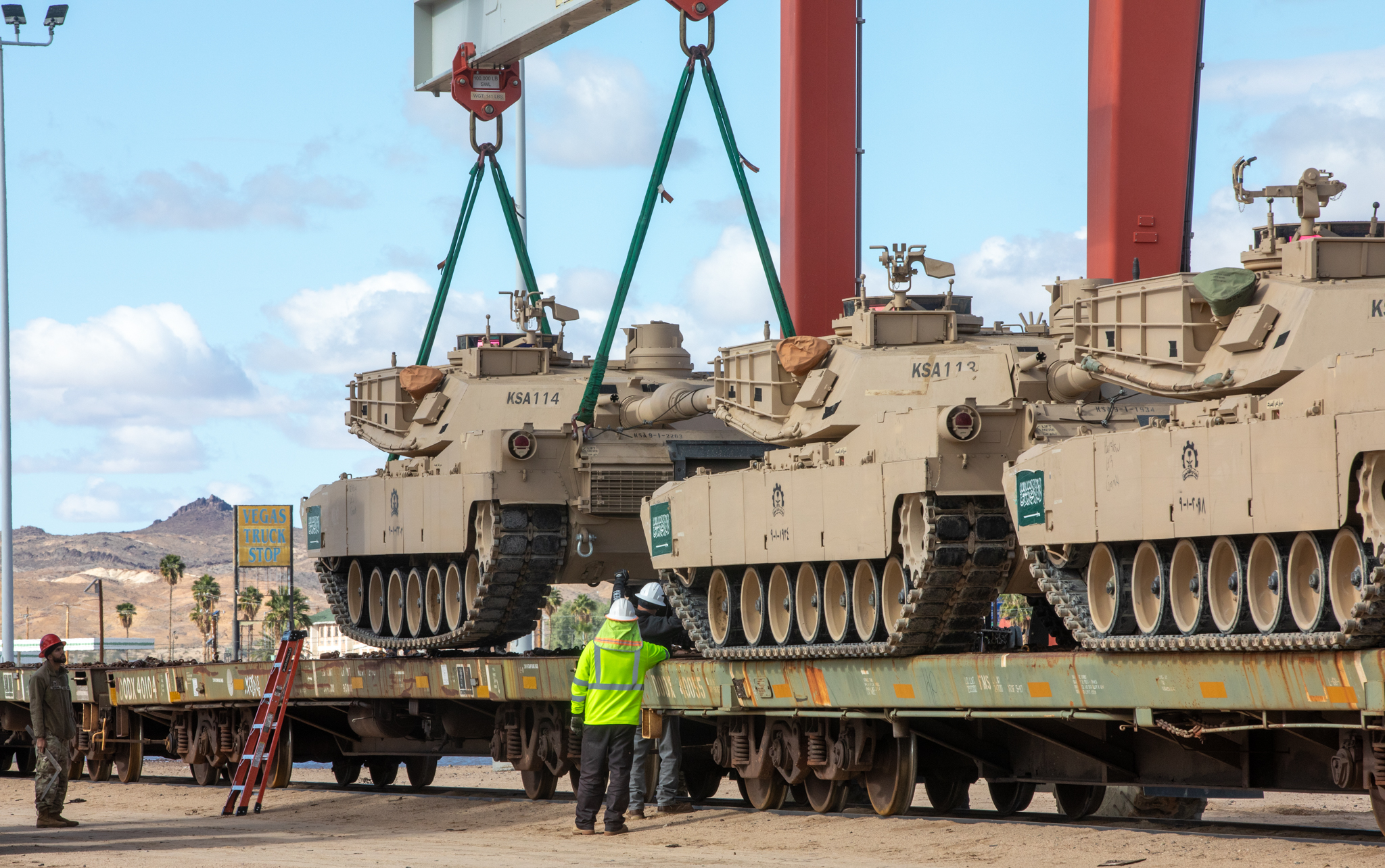
Saudi Arabia cannot buy victory in Yemen. In 2025, it devoted $72 billion to its military. Yet against Yemen’s Houthis, their arsenal has not produced decisive results. Riyadh’s central weakness is not a shortage of weapons, but an inability to turn hardware into coherent strategy, effective ground power, and an attainable political outcome.Read more...
In several news articles discussing topics including the upcoming Russia-Ukraine peace negotiations and France's expansion of its nuclear arsenal, ASP CEO Matthew Wallin offers his thoughts.Read more...

ByteDance's new safety department may represent a shift in how China views AI safety measures. This new move offers a potential opening for AI safety cooperation; will Washington and Beijing use this opportunity?Read more...

Ukraine’s strategic military value extends far beyond its war with Russia. Its battlefield experience offers critical lessons for strengthening NATO’s defenses, preparing American forces for modern warfare, and countering future adversaries. As Washington eases pressure on Moscow and restricts Ukraine’s military capabilities, the U.S. risks undermining its own national security.Read more...
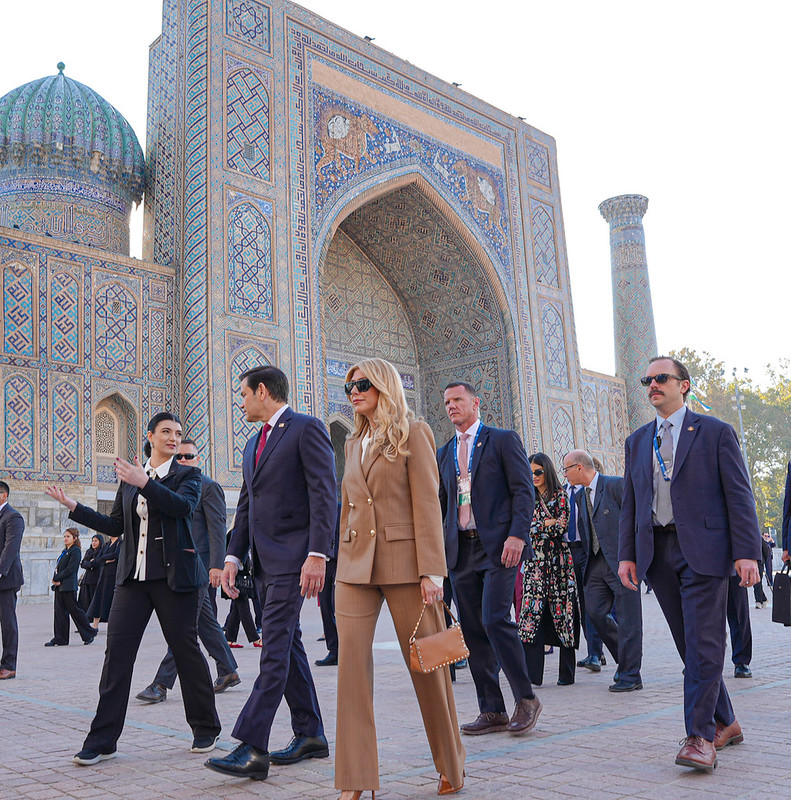
U.S. officials are pointing to Central Asia as part of the answer to America’s critical mineral vulnerability. But limited scale, risky transit routes, and host governments that hold the leverage make the region a hedge, not a solution.Read more...
In several news articles discussing topics including the potential for South Korean forces to take command of defense of their country and the risks that the Iran war is degrading America's ability to respond to China, ASP CEO Matthew Wallin offers his thoughts.Read more...

The American Security Project's AI Imperative 2030 Director Courtney Manning was featured in the Washington Examiner this week in an op-ed discussing China's increasing encroachment on U.S. global AI leadership. Read more...